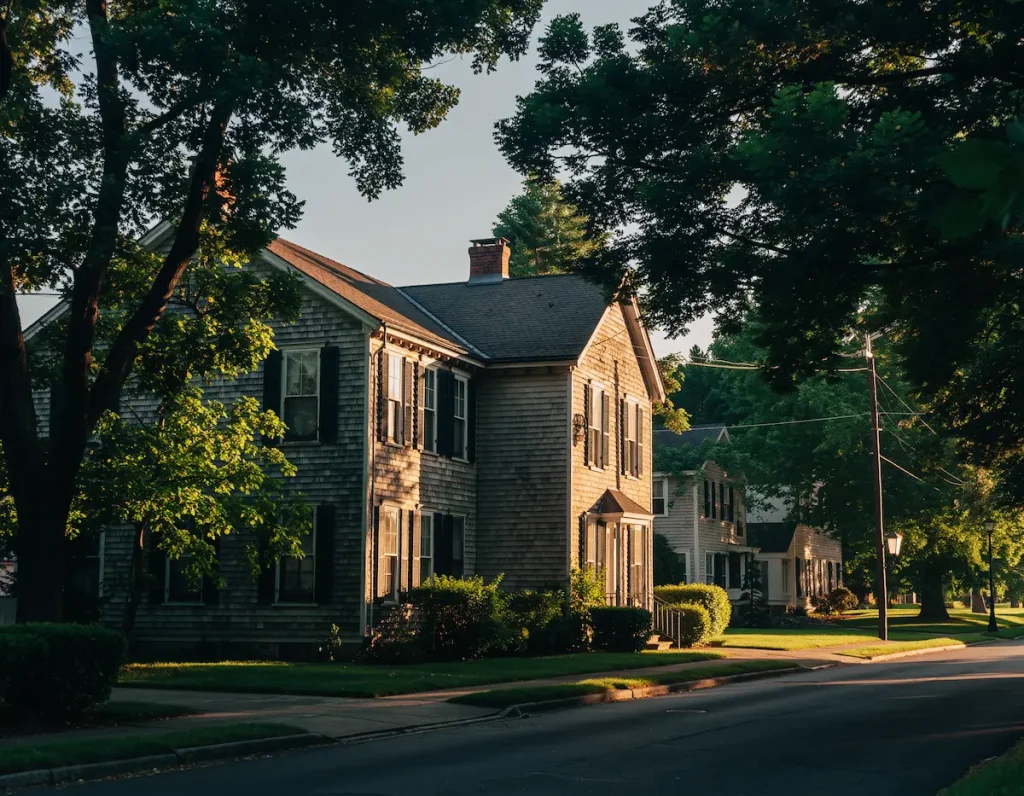
Older homes have a charm and character that new construction can’t replicate—original wood floors, unique trim, hand-laid foundations, and history embedded in every creak of the stairs. But those same features that make historic homes special also make them more vulnerable to pests. In Lawrence and the surrounding Northeast Kansas area, many homes built 50–100+ years ago face specific pest issues that newer homes simply don’t—and knowing what to look for is key to protecting your investment.
Below are the most common pest risks for older and historic homes, why they happen, and how you can prevent them.
1. Aging Foundations Create Easy Entry Points
Early 20th-century foundations often develop cracks, gaps, and settling over time. Even small openings—sometimes as tiny as a quarter-inch—can invite pests inside.
Common pests that exploit foundation gaps include:
- Rodents (mice and rats)
- Cockroaches
- Ants
- Spiders
- Crickets
- Termites following moisture pathways
In older basements, unsealed utility lines, deteriorated mortar, and shifting soil allow pests to find multiple access points. Once inside, they often nest behind walls or in crawl spaces where homeowners rarely look.
Prevention tip: Annual foundation inspections and sealing entry points with professional-grade materials drastically reduce pest risks.
2. Original Wood Provides Prime Real Estate for Wood-Destroying Insects
Historic homes in Kansas often feature wood that is decades—or even a century—old. Over time, moisture fluctuations and natural aging make this wood softer and easier for insects to invade.
High-risk pests include:
- Termites (especially subterranean termites common in Kansas)
- Carpenter ants
- Wood-boring beetles
Termites are especially concerning in older homes with:
- Earth-contact siding
- Unventilated crawl spaces
- Old wooden support beams
- Leaks around windows and roofs
Even a small, slow infestation can cause significant structural damage, making early detection crucial.
Prevention tip: A yearly termite inspection is strongly recommended for any older or historic home.
3. Outdated Construction Gaps Make Perfect Pest Highways
Before modern building codes existed, houses weren’t sealed as tightly as they are today. Many older homes contain small voids, uninsulated walls, or gaps around chimneys, vents, attic access points, and original framing.
These “hidden highways” give pests a perfect place to travel undetected throughout the home.
Pests taking advantage include:
- Bats entering through chimney gaps
- Squirrels and raccoons entering aging soffits
- Mice running behind baseboards and between floors
- Wasps nesting in wall voids
Prevention tip: A professional exclusion service can identify and seal obscure entry points that most homeowners miss.
4. Moisture Issues Are More Common in Older Builds
Historic homes often struggle with water intrusion due to aging roofs, old plumbing, outdated gutters, or poor grading.
Moisture is one of the leading factors that attracts pests.
High-moisture pests include:
- Silverfish
- Centipedes
- Termites
- Wood roaches
- Earwigs
- Mites
Basements and crawl spaces are especially vulnerable, and pests will follow moisture trails directly into the home.
Prevention tip: Combine pest control with moisture control—dehumidifiers, gutter repairs, sump pumps, and sealing cracks can make a huge difference.
5. Attics & Crawl Spaces Become Pest Havens
Older homes often have large, unfinished attics and crawl spaces with weak insulation or aging boards. These areas provide ideal nesting spots thanks to:
- Warmth
- Low traffic
- Plenty of hiding places
You may see:
- Rodents nesting in insulation
- Bats roosting in rafters
- Wasps building hidden nests
- Raccoons or squirrels entering through deteriorated rooflines
Because homeowners rarely climb into these spaces, these infestations often grow unnoticed.
Prevention tip: Annual attic and crawl space inspections help catch problems early before they turn into expensive repairs.
6. Antique Landscaping Encourages Pest Activity
Mature trees, old stone walls, original garden beds, and thick hedges can create natural shelter for pests close to the home’s exterior.
Common culprits include:
- Carpenter ants nesting in old tree stumps
- Termites attracted to old wood near foundations
- Mosquitoes breeding in forgotten water features
- Rodents living in old exterior structures
Prevention tip: Trim vegetation away from the home, remove rotting wood, and maintain proper drainage around the foundation.
Why Professional Pest Control Is Essential for Older Homes
Historic and older homes require more than a spray-and-go approach. They need targeted, strategic pest management that addresses:
✔ Structural vulnerabilities
✔ Moisture control
✔ Long-term monitoring
✔ Powerful but safe treatments
✔ Regular inspections to prevent costly damage
Laser One Pest Management specializes in protecting older homes across Lawrence and the surrounding communities. Our approach focuses on both eliminating current pests and preventing future infestations—so your home’s legacy stays intact.
Get Peace of Mind for Your Older or Historic Home
If you live in an older home, you know its charm—and its quirks. Don’t let pests become one of them. Whether you’re noticing signs of activity or simply want a proactive inspection, our team is here to help.
Contact Laser One Pest Management today for a professional inspection and a custom pest protection plan.